 By Kyle Morgin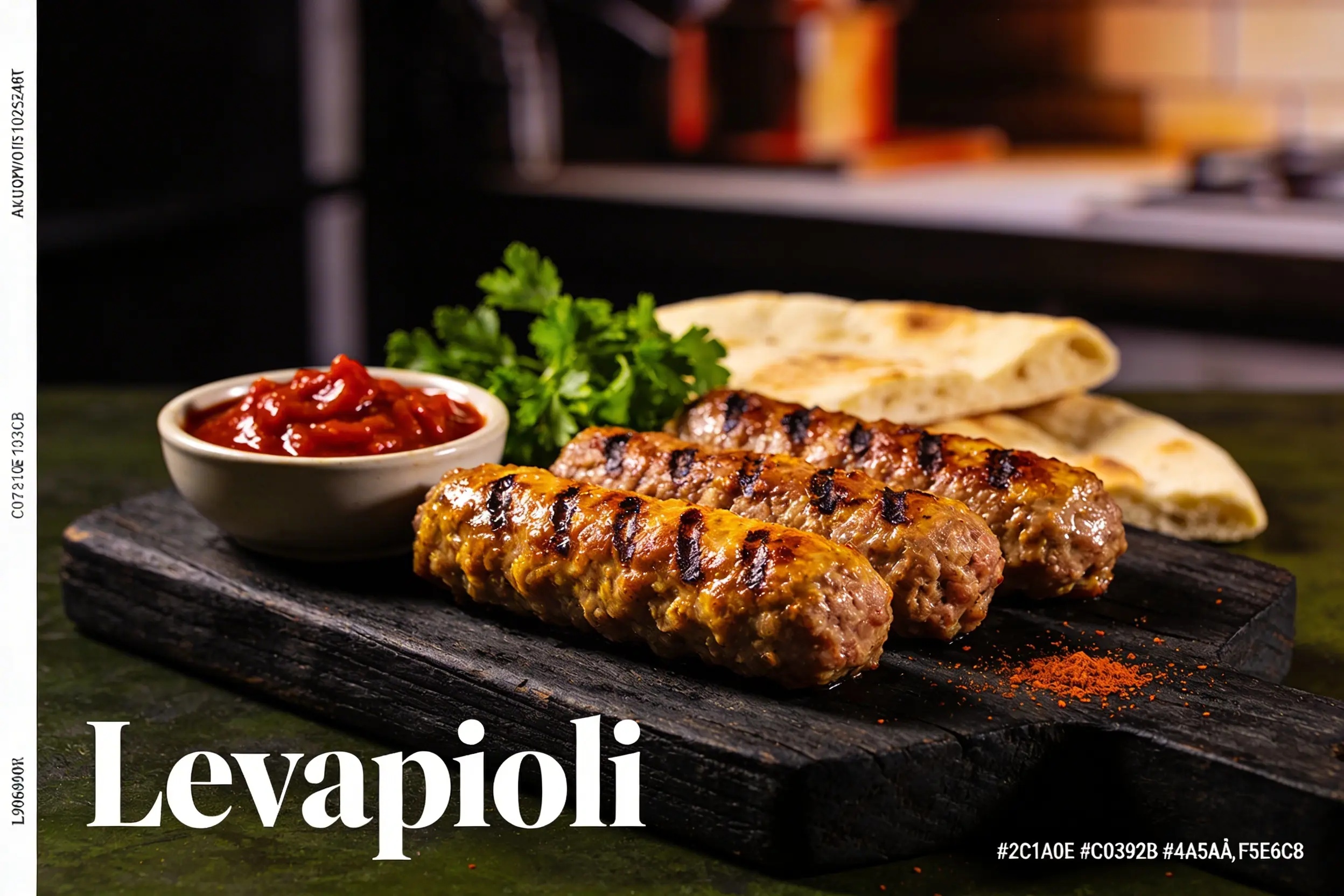
What Exactly Is Levapioli?
The first thing you learn from levapioli shows you that this dish has special qualities which its aroma demonstrates before you take your first bite.
Levapioli is a grilled minced meat dish which emerged from Mediterranean and Balkan food traditions. The chef combines ground beef and ground lamb with garlic and fresh parsley and salt and pepper and sometimes paprika before shaping the mixture into compact sausage-like rolls or flat patties which they cook over an open flame. The dish creates a crunchy outer layer which produces a lightly burned taste while maintaining a moist and soft inside. This combination of textures makes people enjoy the dish repeatedly.
The special element which distinguishes levapioli from all other grilled meat dishes you have tasted lies in its basic nature. The recipe contains no additional components because it contains only its main ingredients. The dish requires only meat of high quality together with basic seasoning and traditional fire cooking methods. The dish has survived centuries because it requires nothing beyond its essential components.
Cevapi represents the traditional Balkan grilled sausage which marks the main relationship between levapioli and its traditional counterpart. Food historians differ about name usage because some see the names as equivalent while others view levapioli as modern term which includes Mediterranean cooking beyond its Balkan roots. Both dishes share common origins because they both use simple components which chefs transform into elevated dishes through their culinary expertise and fire cooking methods.
The History Behind the Dish
Every great dish carries a history worth knowing, and levapioli’s story starts not in a restaurant kitchen but in the open fields of rural Mediterranean and Balkan communities. Shepherds and farmers in what is now Bosnia, Serbia, and parts of coastal Italy needed food that was practical — something that could be prepared quickly over an open fire with whatever was on hand. Ground meat mixed with herbs and salt, shaped by hand, cooked directly over flame. That was the original levapioli.
There were no refrigerators. There were no spice aisles. Ground lamb from the sheep they raised, salt from trade routes, garlic grown in kitchen gardens, and wild herbs picked from hillsides. These were the building blocks. And because the cooking method — open fire — required skill and attention rather than expensive equipment, the dish became democratic. Rich households ate it. Poor households ate it. Village celebrations featured it as the centerpiece.
As populations moved across the Balkans and Mediterranean basin through centuries of trade, migration, and cultural exchange, the dish traveled with them. Each community absorbed levapioli into its own pantry, adjusted the spice blend slightly, changed the protein based on what was locally available, and passed the modified version forward to the next generation. By the time it crossed firmly into Italian culinary tradition, it had already accumulated centuries of adaptation and regional refinement.
What’s remarkable is how stable its core identity remained throughout all of that movement. Different regions added their own fingerprints — a pinch of fennel here, a splash of lemon juice there — but the fundamental character of the dish never changed. Minced meat, herbs, fire. Three elements that have defined levapioli since its earliest versions and continue to define it today.
Food historians who study Mediterranean peasant cuisine often point to dishes like levapioli as markers of regional identity. The ingredients reflect the local climate. The cooking method reflects available resources. The communal act of preparing and sharing it reflects deep social values around hospitality and togetherness. When you eat levapioli, you’re eating centuries of accumulated meaning wrapped in something that looks deceptively simple.
The Ingredients That Make the Difference
The ingredient list for authentic levapioli is short — deliberately so. Every element earns its place by contributing something essential to the final result. Understanding what each component does helps you make better decisions when you cook it yourself.
Ground beef provides the structural base of the mixture. It contributes the dense, rich, savory flavor that gives the dish its satisfying weight. Lean cuts work best because they hold their shape without releasing too much fat during cooking, which would cause the patties to fall apart on the grill. A fat ratio of roughly 80/20 is ideal — enough fat to keep things juicy, not so much that the meat falls apart.
Ground lamb adds a layer of depth that beef alone cannot provide. The slightly earthy, mineral quality of lamb rounds out the overall flavor profile and keeps the texture tender even after sustained heat. Many traditional recipes call for a 50/50 mix of beef and lamb, and this combination genuinely produces a better result than using either meat alone.
Garlic is essential. It doesn’t overpower — it grounds. Two to three cloves per pound of meat, finely grated or pressed rather than chopped, distributes evenly through the mixture and infuses the meat with warmth that complements the smoke from the grill.
Fresh parsley adds brightness and a slight herbaceous quality that cuts through the richness of the meat. Dried parsley simply doesn’t deliver the same result. If you’re serious about getting the flavor right, use fresh.
Salt and black pepper seem obvious, but their ratios matter more than most recipes acknowledge. Under-seasoned levapioli tastes flat no matter how good the meat quality is. Season generously and taste-test the raw mixture before shaping.
Some regional recipes extend this list. Paprika — both sweet and smoked varieties — adds color and a subtle warmth. Fennel seeds introduce an anise-like background note that’s particularly common in Italian-influenced versions. Chili flakes appear in Balkan adaptations where heat is preferred. A small amount of baking soda, used in some traditional Bosnian recipes, slightly tenderizes the meat and keeps the interior soft even when the exterior is well-charred.
| Ingredient | Amount (per 1 lb meat) | Purpose |
| Ground beef (80/20) | 8 oz | Base flavor and structure |
| Ground lamb | 8 oz | Depth, tenderness |
| Garlic (grated) | 3 cloves | Warmth and aroma |
| Fresh parsley | 3 tbsp, chopped | Brightness and herbaceous note |
| Salt | 1 tsp | Seasoning |
| Black pepper | ½ tsp | Heat balance |
| Paprika (optional) | ½ tsp | Color and mild warmth |
| Fennel seeds (optional) | ¼ tsp | Regional flavor depth |
How to Cook Levapioli the Right Way
The first time I tried cooking levapioli at home, I made the classic beginner mistake — I rushed the grill. The patties went on before the grates were properly heated, they stuck immediately, and I ended up with broken meat and a frustrated dinner table. After that experience, I spent a few weeks going back to basics, and what I learned transformed how I approach the dish.
The process starts before the grill even turns on. Once you combine the ground meat, garlic, parsley, and seasoning in a bowl, you need to work the mixture properly. Don’t just stir it — use your hands and squeeze the ingredients together until the fat distributes evenly and the mixture holds together when pressed. This takes about three to four minutes of active mixing. After that, cover the bowl and refrigerate the mixture for at least 30 minutes. Chilling firms the fat, which makes shaping easier and helps the patties hold together on the grill without falling apart.
Shaping matters more than most people realize. Aim for sausage-like rolls roughly three inches long and about an inch in diameter, or slightly flattened patties of similar size. The goal is uniform thickness so everything cooks evenly. If the ends are thin and the center is thick, you’ll end up with overcooked edges and an undercooked middle.
For the grill itself, charcoal produces the best result — the smoke it generates during cooking creates a depth of flavor that gas simply cannot replicate. Get the coals properly ashed over before placing the meat, oil the grates lightly to prevent sticking, and cook at medium-high heat for four to five minutes per side. You’re looking for a golden-brown exterior with visible grill marks and an internal temperature around 160°F (71°C) for the beef-lamb mixture.
If you don’t have an outdoor grill, a cast iron skillet over high heat comes closest to replicating the result. It won’t give you the same smoke, but the sear will be excellent and the texture will be right. An air fryer at 200°C (400°F) for about 12 minutes, flipping halfway through, also works surprisingly well for weeknight cooking when setting up a grill isn’t practical.
Rest the cooked levapioli for two to three minutes before serving. The juices redistribute during that rest period, and the difference in texture between meat served immediately off the grill versus meat rested briefly is genuinely noticeable.
Regional Variations Worth Knowing
One of the most interesting things about levapioli is how dramatically it changes across different regions while still feeling recognizable as the same dish. The core identity — minced meat, herbs, fire — stays consistent, but everything around it shifts based on local taste and tradition.
In the Balkan heartland, particularly Bosnia and Serbia, levapioli hews closest to traditional cevapi. The seasoning is restrained — salt, pepper, a little garlic. It’s served with lepinja flatbread, raw white onion, and ajvar, a roasted red pepper and eggplant spread that adds a slightly sweet, smoky counterpoint to the savory meat. This is the version food writers describe when they talk about the dish’s cultural roots, and it’s worth seeking out in its most traditional form before experimenting with variations.
In Northern Italy, chefs have historically incorporated local dairy into the mix. A small amount of grated Parmigiano-Reggiano folded into the meat mixture adds umami depth and a slightly creamy interior texture that’s genuinely different from the straight beef-and-lamb version. Rosemary and oregano replace parsley in some Northern Italian interpretations. The result tastes distinctly Mediterranean but carries Italian specificity.
In Southern Italy and Sicily, the flavor profile shifts toward boldness. More paprika, sometimes chili, occasionally a splash of lemon juice added after cooking. Coastal Sicilian versions have historically incorporated finely chopped capers and olives into the mixture, which adds a briny, complex note that pairs particularly well with seafood-based sides.
In the United States, the dish has entered the culinary conversation through the same channels that made dishes like shawarma and banh mi mainstream — food trucks, pop-up restaurants, and food media coverage. American chefs tend to treat levapioli as a premium burger alternative, serving it on brioche buns with Mediterranean accompaniments like hummus, quick-pickled cucumber, and harissa mayo. It works. The flavors translate well to that format, and it reaches an audience that might otherwise never encounter the dish in its traditional form.
The Best Sides and Pairings for a Complete Meal
Levapioli doesn’t need a complicated plate around it, but the right accompaniments do make a noticeable difference. The dish is rich and savory, so what it needs most is contrast — something acidic, something cooling, and something textural.
Ajvar is the classic Balkan pairing and genuinely earns its reputation. The roasted pepper sweetness and slight smokiness of a good ajvar cut through the meat’s richness in a way that tzatziki, for all its merits, doesn’t quite match. If you can find a jarred ajvar from a Balkan specialty store, it’s worth using. Making it from scratch — roasted red peppers, eggplant, garlic, olive oil — takes time but produces something noticeably better than the commercial version.
Tzatziki works beautifully as a cooling element. The yogurt provides creaminess, the cucumber adds crunch, and the dill or mint brings herbal brightness that complements parsley in the meat mixture without clashing with it.
Flatbread is traditional and practical. Warm pita, lepinja, or lavash cradles the levapioli rolls and absorbs the juices that release during the first bite. It turns what could be a single-component meat dish into something that eats like a complete meal.
For a more composed presentation, roasted vegetables — eggplant, zucchini, cherry tomatoes — alongside a simple green salad dressed with lemon and olive oil round out the plate without competing for attention. Polenta, particularly the Northern Italian interpretation of the dish, makes for a rich and satisfying base that pairs well with the smokiness of the grilled meat.
Why Levapioli Fits Right Into Modern Eating Habits
There’s a reason food writers in 2026 keep returning to dishes like levapioli. It checks boxes that modern eaters genuinely care about: whole-food ingredients, no processed additives, naturally gluten-free in its traditional form, high in protein, and adaptable to multiple dietary approaches.
From a nutritional standpoint, the beef-and-lamb mixture provides complete protein with all essential amino acids, iron for energy and oxygen transport, and zinc which supports immune function. The fresh herbs aren’t just flavor additions — parsley is a meaningful source of vitamin C and vitamin K. Garlic contributes compounds with documented anti-inflammatory properties. The dish isn’t health food in a trendy, marketed sense. It’s simply real food made from real ingredients, which is increasingly rare and increasingly valued.
For people following ketogenic or low-carbohydrate diets, levapioli without accompanying bread is an ideal protein-and-fat centered meal. For those following paleo approaches, the ingredient list is essentially compliant without modification. Vegetarian and vegan adaptations using lentils, chickpeas, and mushrooms in place of meat have gained traction through food blogs and social media over the past two years, allowing the dish to reach audiences who wouldn’t otherwise engage with it.
The ease of preparation is also relevant. Unlike many dishes that carry cultural prestige, levapioli doesn’t require specialized equipment, rare ingredients, or advanced cooking skill. Anyone with a grill or a skillet and access to a decent butcher can produce something genuinely good on their first attempt. That accessibility — combined with a flavor profile that delivers on its promise — is a large part of why the dish has spread so effectively across food cultures far removed from its Mediterranean origins.
Frequently Asked Questions About Levapioli
What is levapioli exactly?
Levapioli is a Mediterranean and Balkan-inspired grilled minced meat dish made primarily from ground beef, ground lamb, or a combination of both. The meat is seasoned with garlic, parsley, salt, and pepper, then shaped into sausage-like rolls or patties and cooked over an open flame or hot grill. The defining characteristic is its crispy exterior and juicy, tender interior produced through direct-heat cooking.
Is levapioli the same dish as cevapi?
They’re closely related but not identical. Cevapi is a traditional Balkan dish with a well-documented history and specific preparation conventions, particularly in Bosnia and Serbia. Levapioli shares the same core technique and similar ingredients, but functions as a somewhat broader, more modern term that encompasses Mediterranean variations extending beyond strict Balkan tradition. Think of cevapi as the classic, codified version and levapioli as the more open, evolving interpretation.
What’s the best meat combination for authentic levapioli?
A 50/50 blend of ground beef and ground lamb produces the best result for traditional preparation. The beef provides structure and savory depth while the lamb adds tenderness and a subtle earthy quality that distinguishes the dish from a standard meat patty. If lamb isn’t available, an 80/20 lean-to-fat beef alone works reasonably well, though it will lack some of the complexity a lamb blend provides.
Can levapioli be cooked without an outdoor grill?
Absolutely. A cast iron skillet over high heat gives an excellent sear and produces results close to what a charcoal grill achieves. An air fryer at 200°C (400°F) for approximately 12 minutes with a midpoint flip also works well for weeknight preparation. What you sacrifice without charcoal is primarily the smoke flavor, which is a genuine component of traditional levapioli, but the texture and seasoning will still be correct.
How long does raw levapioli mixture keep in the refrigerator?
Prepared and shaped levapioli can be refrigerated for up to 24 hours before cooking. The resting period actually improves flavor — the seasoning integrates more thoroughly into the meat as it chills. For longer storage, the shaped, uncooked patties freeze well for up to two months. Thaw fully in the refrigerator before grilling. Cooked levapioli keeps for three days in a sealed container in the refrigerator.
What sauces pair best with levapioli?
Ajvar — the roasted red pepper and eggplant spread traditional in Balkan cuisine — is the most authentic pairing and genuinely complements the smoky meat flavor. Tzatziki provides a cooling yogurt-based counterpoint. Harissa adds heat for those who want it. A simple squeeze of lemon juice and a drizzle of quality olive oil over finished levapioli is often the most effective and underrated option.
Is levapioli a healthy meal choice?
In its traditional form, levapioli is a protein-dense, whole-food meal with no processed ingredients. The beef and lamb combination provides complete protein, iron, and zinc. Fresh garlic and parsley contribute antioxidant compounds. It is naturally gluten-free and fits keto and paleo dietary frameworks. Like any meat-centered dish, it fits best within a diet that also includes vegetables and other whole foods — the traditional Mediterranean way of serving it, surrounded by salads, vegetables, and yogurt-based dips, naturally achieves this balance.
Conclusion
The growing reputation of Levapioli comes from its traditional cooking method which produces delicious food that people can easily understand through its various flavors. The dish requires high-quality meat which needs basic seasoning and needs to be cooked using authentic fire methods. The dish combines centuries of developed techniques into a simple recipe which anyone can prepare using common ingredients from grocery stores.
If you’ve been curious about Mediterranean and Balkan cuisine but haven’t known where to start, levapioli is one of the most approachable entry points you’ll find. Create the mixture today and keep it in the fridge until you want to grill it tomorrow. The dish requires you to eat it with heated flatbread and ajvar plus a chilled beverage. The complete experience exists in this single element which shows you why this dish has maintained its popularity throughout different times and societies. The existence of Levapioli needs more people to find its culinary value.